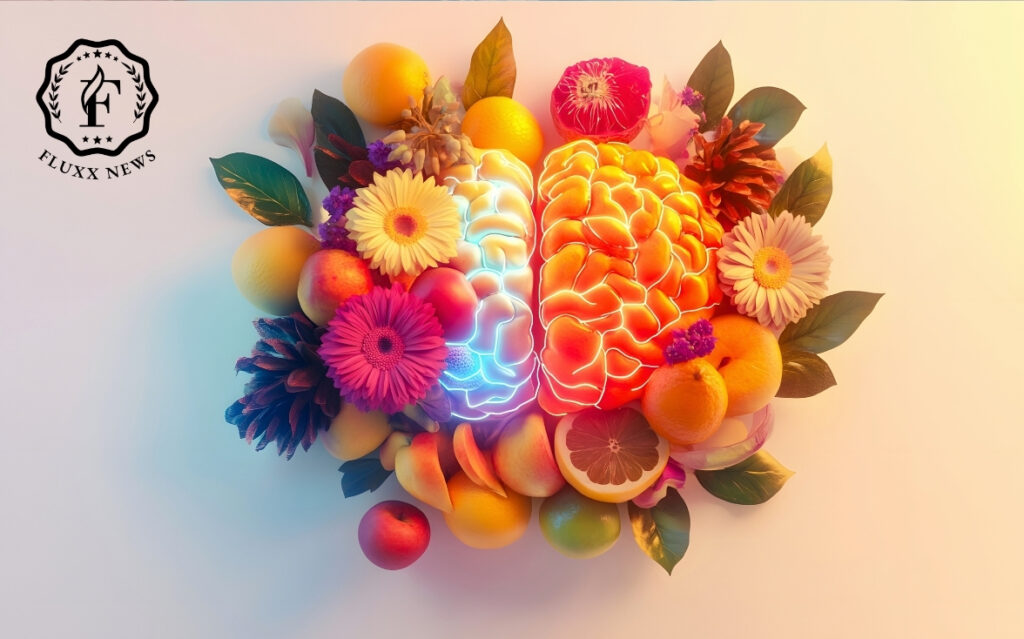
There is one of the strongest reasons that the MIND diet is attracting a lot of attention presently – it helps to keep your brain healthy as you grow old. This plan was created when two very well-studied eating plans, the Mediterranean diet and the DASH diet, were merged together. The MIND diet is based on the idea of eating more foods that nourish the brain and lessening foods that may quicken cognitive decline.
Plant-based foods is what the MIND diet is all about, said Alexis Supan, a registered and a licensed dietitian (RD, LD). Moreover, those meals need to be wealthy in fiber, nutrients, antioxidants, and precise fats – the very nutrients that have been connected to enduring brain fitness. These nutrients can help lower the frame’s inflammatory response and the manufacturing of loose radicals, which might be foremost factors in dementia and Alzheimer’s-kind sicknesses, explains the dietitian.
Why Does the MIND Diet Matters?
Experiments on animals and clinical studies on humans have yielded results that seem to validate the claims. The risk of Alzheimer’s disease may be lessened by as much as close to 53% if the MIND diet is followed strictly, while a person following it moderately may also expect to see a reduction of about 35% in the risk. Along with that, people feel memory improvement, better focus, and less brain fog.
Supan further mentions that nothing makes the MIND diet more attractive than the fact that it’s good not only for the brain but also for the heart. The foods that are part of this diet keep the arteries in good shape and facilitate a healthy blood flow, which lowers the chances of such major problems as heart attacks and strokes.
What to Eat on the MIND Diet?
The MIND weight-reduction plan resembles long-term wholesome ingesting habit. It’s full of complete, minimally processed ingredients.
- Berries: Two or more servings in step with week. Berries are loaded with antioxidants that keep mind cells safe.
- Leafy vegetables: Minimum six servings consistent with week. Spinach, kale, and arugula supply nutrients and fiber.
- Other greens: One serving consistent with day, with an emphasis on colorful greens like carrots and tomatoes.
- Whole grains: Three servings every day, such as oatmeal, quinoa, or whole-grain bread.
- Beans: Four or more servings in line with week for plant-primarily based completely protein and fiber.
- Nuts: Five servings consistent with week, but in small quantities because of their excessive calorie content material.
- Fish: At least as soon as every week, especially fatty fish like salmon or trout for omega-3 fats.
- Poultry: Two servings every week, ideally of lean cuts with out pores and skin.
- Olive oil: Take as the number one cooking oil.
Foods to Limit
In order to ease body inflammation, the MIND diet suggests lowering the consumption of:
- Red meats
- Butter and margarine
- Cheese
- Pastries and sweets
- Fried or fast foods
These products are usually the main culprits that fuel inflammation and consequently, the risk of cognitive abilities getting worse increases with time.
Can You Personalize the Diet?
Definitely. The plan is not very strict, Supan tells us — the more you comply with it, the more advantages you will probably get. If you don’t like eating that many grains, you can always substitute them with veggies or fish as long as you don’t go for the refined grains.
The Bottom Line
The MIND diet is backed by strong science and offers a realistic path to better brain and heart health. Supan suggests easing into the diet by gradually increasing your fiber intake and drinking plenty of water. Even partial commitment can make a meaningful difference.
Disclaimer: The news articles published on Fluxx News are based on reports from reputable third-party sources and are not original reporting by Fluxx News. While we strive to ensure accuracy and integrity, we cannot guarantee the completeness or timeliness of the information provided.