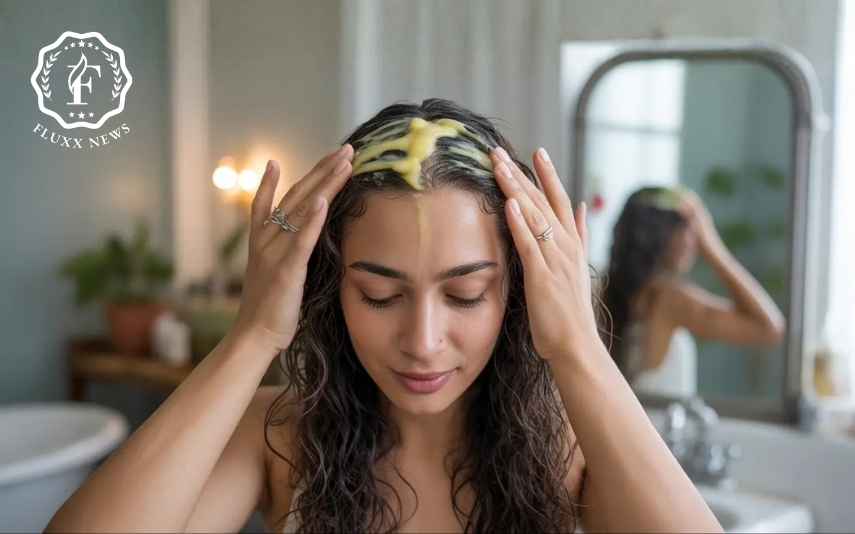
Frizzy hair can quickly ruin an otherwise well-put-together look. Frizz is often dry, coarse, and uncontrollable and is normally an indication that hair is not doing well to hold moisture. Although the popular solutions and remedies bought in stores are known, people are increasingly resorting to the use of traditional home remedies, with one solution that is discussed extensively being the use of ghee. However, is twice a week of ghee application during a month really effective in frizz reduction?
The dermatologists say that frizz is caused by the outer coating of the hair shaft being raised, or damaged. According to Dr Rupika Singh, the Founder of Akiya Aesthetics, who is also the Chief Dermatologist, frizzy hair signifies that it does not store water well. As the hair becomes deglamourised, it becomes very sensitive to humidity, sunshine, and day-to-day contact, she says.
Co-Founder of Studio 1915 Luxury Aesthetic Clinic, Dr Sherin Bhan, adds that when the hair cuticle is disturbed, moisture from the surrounding air enters the strands, causing them to swell and appear frizzy. Such typical triggers as over-washing, heat styling, chemical treatments, supersensitive shampoos, hard water, coarse towel drying and using no conditioner can be referred to as common triggers.
So where does ghee fit into the picture?
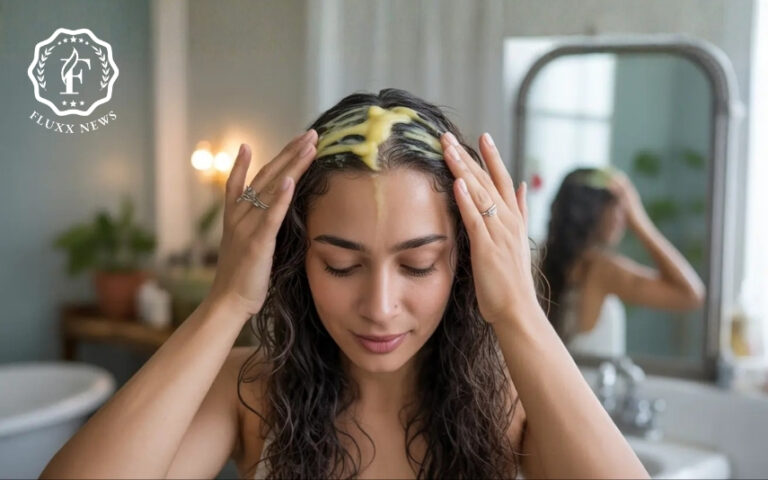
Experts indicate that ghee can be used temporarily to make frizzy hair look better. Ghee is also rich in fatty acids and Vitamin A that coats the hair shaft, allowing to smoothen the coarse sections and make hair feel smoother and easier to handle. Ghee can be applied twice a week, approximately a month; however, Dr Singh advises that ghee should not be used on scalp conditions and dandruff, as well as on people, whose hair is very dry and coarse.
Nonetheless, dermatologists warn that long periods of ghee on the head will lead to issues. Dr Bhan recommends not to take longer than 30 to 60 minutes of application. She says that leaving ghee overnight may clog pores, invite dirt and make it hard to remove, and that a mild shampoo would be suitable to remove it.
Patients with no dandruff can begin to notice a decrease in dryness and better frizz control in two to three weeks of regular application. In case the scalp starts to feel heavy, itchy or uncomfortable, specialists recommend discontinuation of the treatment.
In order to make it work better, it is recommended to combine a little bit of ghee with aloe vera gel or coconut oil and apply only to the dry hair lengths and not to the head. Although this mixture can increase softness, it can be thick and pores can be clogged particularly in people with oily or acne prone scalp. Patch testing is highly essential prior to routine usage.
Notably, ghee is not a panacea. Individuals who have dandruff must never use it because it may aggravate the flaking of the skin and irritation of the scalp. Dr Singh points out that Ghee should be regarded as an add-on on the nutrition side, but not as a permanent solution. It enhances the appearance and feel of hair but it does not address the causes of frizz.
Stated briefly, ghee could be short-term frizz relief on some types of hair- but careful usage and correct hair care is paramount to long term frizz control.
Disclaimer: The news articles published on Fluxx News are based on reports from reputable third-party sources and are not original reporting by Fluxx News. While we strive to ensure accuracy and integrity, we cannot guarantee the completeness or timeliness of the information provided.