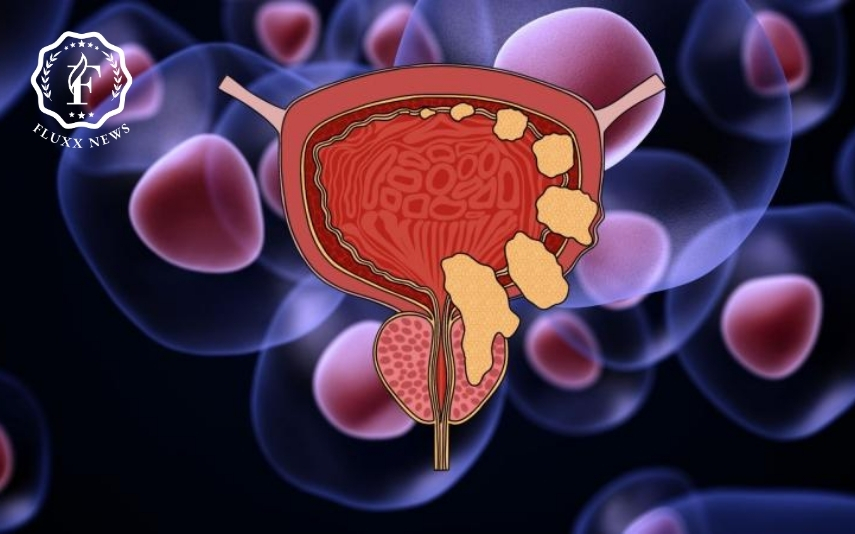
The researchers of a new study discovered that there is a natural process in a cell that is called self-eating to enable the doctors to have a more accurate predictive approach to the recurrence and the progression of bladder cancer. By studying the University of Lucknow and King George medical universities three important proteins have been identified that serve as biological signs which provide excellent indications regarding which patients have higher chances of having their cancer recur after they have undergone surgery.
This mechanism is called autophagy, and it is derived out of a Greek word that translates to self-eating. It enables cells to make use of damaged or unused components in generating energy particularly under times of stress. Although autophagy is necessary in the normal cell functioning, researchers indicate that it has a complicated role in cancer. At the initial stages it assists in the prevention of tumour formation cleaning up the cellular waste. However, once cancer develops, the same mechanism can be employed by tumour cells to survive, grow, and be resistant to treatment.
To establish the impact of autophagy on the prognosis of bladder cancer, the research team analysed tumour samples of 84 patients with the urothelial cancer, which is the most prevalent form of bladder cancer. Patients were divided in two groups: non-muscle invasive cancer one that does not go beyond the inner walls of the bladder, and the other one, muscle-invasive cancer, where the disease is found deeper within the bladder walls.
The scientists tested three proteins related to autophagy, including ATG4B, LC3, and p62 using the latest molecular testing and transmission electron microscopy. The proteins are involved in the regulation of breaking down and recycling of the inner parts of the cells.
The results identified a distinct trend. The ATG4B and p62 steadily declined as the cancer went to greater levels of aggression. Meanwhile, LC3 activity changes were intensified. More importantly, those patients who had greater LC3 levels in the primary body of cancer cells were more inclined to have the shorter interval between recurrence of cancer.
The researchers state that these protein variations appear as a biological clock, and they indicate the level of progress of the disease at a molecular level. This would imply that physicians may be able to correctly determine high-risk individuals significantly earlier before the recurrence may manifest itself in both scans and clinical symptoms.
Another finding mentioned in the study is the significance of the concept of integrating genetic analysis with microscopic images. The researchers better understood the adaptation of the autophagy system in case of worsening of the bladder cancer by visually observing the miniature recycling structures within the cancer cells.
Nonetheless, the researchers warn that the participants of the study were quite a small group of patients. Such markers will require bigger studies in various populations before they can be utilized regularly in hospitals. Another observation they made is that the markers are effective in predicting cancer recurrence but less predictive in overall survival of patients with advanced cancer.
Bladder cancer is characterized by high recurrence rate of between 50 to 90 percent. This means that patients are being subjected to a lifetime monitoring process due to frequent and invasive procedures. It is estimated by the experts that the creation of reliable molecular markers may enable the doctors to concentrate on the high-risk patients and administer intensive treatment to them and minimal testing to those at lower risks.
In the long term, this approach could improve patient outcomes, lower healthcare costs, and bring bladder cancer treatment closer to precision medicine.
Disclaimer: The news articles published on Fluxx News are based on reports from reputable third-party sources and are not original reporting by Fluxx News. While we strive to ensure accuracy and integrity, we cannot guarantee the completeness or timeliness of the information provided.